Best Bucket List Marathons You Must Run
From the Antarctic ice to the Great Wall of China — the world's most extraordinary marathon experiences. 15 bucket-list races that redefine what a marathon can be.
Table of Contents
Some marathons are about personal bests. Others are about the experience itself — the kind of race where the course, the location, and the sheer improbability of running 42.2 kilometers in that particular place become the point. Our database includes 130 races tagged as bucket-list events, and among them are some of the most extraordinary athletic experiences on the planet.
These aren’t the races you choose for a fast time. You choose them because they’ll give you a story you’ll tell for the rest of your life. From running on Antarctic ice at -20°C to ascending the steps of the Great Wall of China, these are the marathons that take the sport beyond competition and into adventure.
The Extreme Cold: Polar Marathons
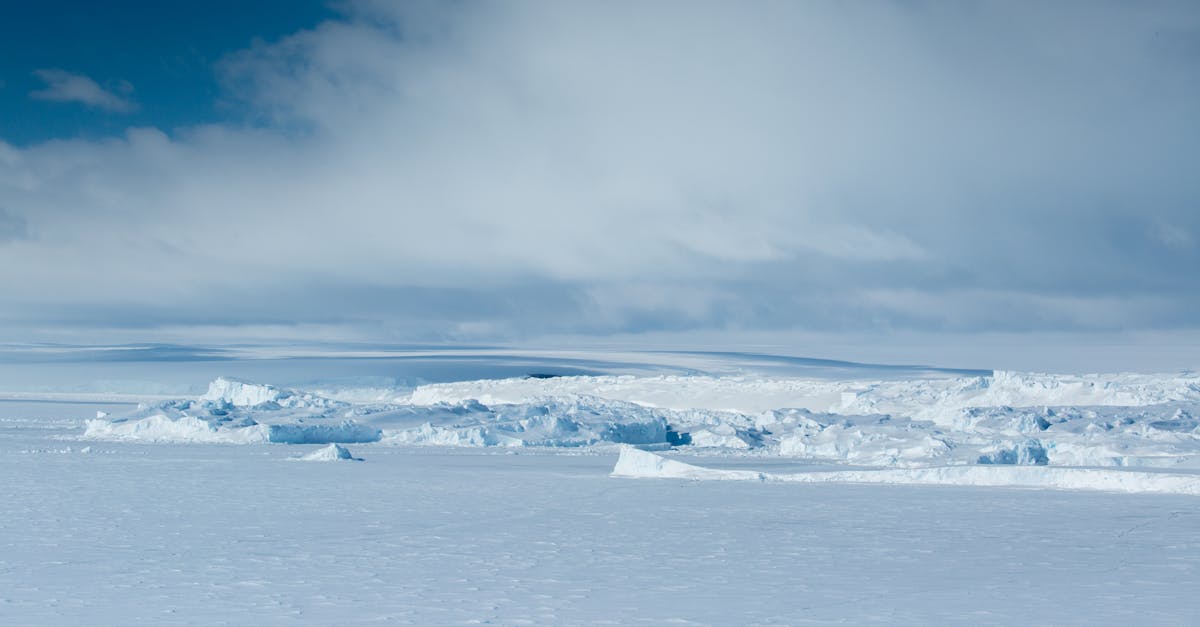
Antarctic Ice Marathon
The ultimate: running a marathon on the seventh continent.
The Antarctic Ice Marathon takes place at Union Glacier, 80° South — roughly 1,000 kilometers from the geographic South Pole. Runners complete a course on compacted snow and ice at an altitude equivalent to roughly 1,500 meters (due to polar atmospheric pressure), with temperatures that can drop below -20°C and winds that add a brutal wind chill factor.
- When: December (Antarctic summer — 24 hours of daylight)
- Difficulty: Extreme
- Entry fee: ~€15,500
- Time limit: 12 hours
- Field size: ~50 runners
The price tag is the most striking number: at €15,500, the Antarctic Ice Marathon is the most expensive race in our database. That fee covers the charter flight from Punta Arenas, Chile, to Union Glacier, Antarctic camping accommodations, meals, and the race itself. There are no spectators, no aid stations with music, no finish-line festivals. There’s ice, sky, silence, and the rare privilege of running on a continent most humans will never visit.
Finishing times here are irrelevant. The course is an out-and-back loop, and conditions shift constantly. Your only opponent is the environment. Previous finishers describe a meditative intensity — the mental challenge of maintaining forward motion through white landscape that never seems to change.
North Pole Marathon
The North Pole Marathon might be the most logistically extreme race on earth. The course is laid out on the Arctic Ocean ice sheet at approximately 89°N latitude, and runners complete laps on shifting sea ice with temperatures regularly below -30°C.
- When: April
- Difficulty: Extreme
- Course: Flat (on ice)
- Field size: ~50 runners
Runners fly from Longyearbyen, Svalbard to a temporary ice camp near the North Pole, where the race is staged. The course can shift mid-race as ice floes move. Armed guards patrol the perimeter for polar bears. The air is so cold that breathing can burn your lungs — most runners wear balaclavas and breathe through fabric.
This is running distilled to its most primal: you against the planet’s harshest environment, moving forward because stopping means freezing.
The Desert: Sand and Suffering
Marathon des Sables
The Marathon des Sables is not a marathon — it’s six marathons. Spread over six days across approximately 250 kilometers of the Moroccan Sahara, this self-supported stage race is widely considered the toughest footrace on earth.
- When: April
- Difficulty: Extreme
- Course: Mountainous (sand dunes, rocky terrain, salt flats)
- Location: Ouarzazate, Morocco
- Field size: ~1,000 runners
Runners carry everything they need on their backs: food, sleeping gear, clothing, and emergency supplies. The organizers provide water (rationed) and open-sided Berber tents for sleeping. Daytime temperatures exceed 50°C. The terrain shifts from soft sand dunes to hard-packed desert floor to rocky jebels.
The longest single stage is approximately 80 kilometers, which many runners complete through the night, navigating by headlamp and stars across featureless terrain. Blisters, dehydration, and gastrointestinal distress are nearly universal.
Why do people do it? Because crossing the Sahara on foot changes your understanding of what your body can endure. The finish in the oasis town of Merzouga, after days of desert crossing, is a moment that redefines personal limits.
The Historic: Ancient Wonders on Foot
Great Wall of China Marathon
The Great Wall of China Marathon is exactly what it sounds like: a marathon that includes running on the Great Wall itself. The course near Huangyaguan includes approximately 5,164 steps — ascending and descending the Wall’s watchtowers — plus village roads and trails through the Tianjin countryside.
- When: May
- Difficulty: Extreme
- Course: Mountainous
- Field size: Large
The Great Wall sections are the defining feature and the defining challenge. Steps are uneven, sometimes crumbling, and vary from shin-height to waist-height. Many runners use hands-and-knees scrambling on the steepest sections. The cumulative elevation gain is enormous for a marathon distance, and the steps destroy quad muscles in a way that flat road running never does.
Finishing times are 1.5–3 hours slower than a runner’s road marathon PR. Nobody comes here for time. They come to run on one of the most recognizable structures in human history, through countryside most tourists never see.
Angkor Wat Half Marathon
The Angkor Wat Half Marathon loops through the ancient temple complex of Angkor in Siem Reap, Cambodia. Runners pass Angkor Wat, Angkor Thom, the Bayon Temple, and other 12th-century Khmer ruins, starting before dawn to beat the tropical heat.
- When: December
- Difficulty: Easy
- Course: Flat
- Entry fee: ~€8
At just €8 entry fee, this is one of the most affordable bucket-list races anywhere. The flat course is beginner-friendly, and the early morning start (typically 5:30 AM) means you’re running through the temples as the sun rises — a genuinely transcendent experience. The heat builds quickly after sunrise, so the early start is practical as well as beautiful.
This is one of the few bucket-list races that’s accessible to beginners in both fitness and budget. If you can run a half marathon and book a flight to Southeast Asia, you can experience this.
The Wildlife: Running Among Animals
Victoria Falls Marathon
The Victoria Falls Marathon starts at the edge of one of the world’s largest waterfalls — the spray from Victoria Falls is visible for kilometers and creates a constant mist near the start line. The course runs through Zambezi National Park, where runners routinely spot elephants, giraffes, warthogs, and zebras along the roadside.
- When: July (dry season)
- Difficulty: Moderate
- Course: Rolling
- Location: Victoria Falls, Zimbabwe
The wildlife encounters are real, not staged. Rangers monitor the course, but animals are free-roaming. The psychological effect of running past a 4-ton elephant grazing 30 meters from the road adds a unique dimension to the racing experience. July’s dry season means cooler temperatures and higher wildlife concentrations near water sources along the route.
The course finishes with views of the Victoria Falls Bridge, connecting Zimbabwe and Zambia. The post-race celebration includes a sunset cruise on the Zambezi River — a fitting finish to one of the most scenic marathon experiences in Africa.
Big Five Marathon
The Big Five Marathon runs through a private game reserve in Limpopo Province, South Africa, where lion, leopard, elephant, rhino, and buffalo (the “Big Five”) roam freely. The course is unfenced — this is not a zoo run.
- When: June (South African winter)
- Difficulty: Moderate
- Course: Rolling
- Location: Limpopo, South Africa
Armed rangers accompany the field, and helicopter support monitors for large predator activity near the course. The terrain is bush-veld trails and dirt roads, with rolling hills that add challenge to the distance. Wildlife sightings aren’t guaranteed, but they’re common — and the knowledge that you’re sharing space with Africa’s most iconic animals adds a primal intensity to every kilometer.
The Big Five Marathon supports local community projects in the surrounding area, so your entry fee contributes beyond the race itself. It’s a smaller, more intimate event than many on this list, with a field that feels more like an adventure expedition than a mass-start race.
The Midnight Sun and Northern Lights
Midnight Sun Marathon
The Midnight Sun Marathon takes place in Tromsø, Norway, at 69°N latitude — well above the Arctic Circle. The race is run in late June, when the sun never sets, giving the bizarre and beautiful experience of running a marathon in full daylight at midnight.
- When: June
- Difficulty: Moderate
- Course: Rolling, coastal
- Location: Tromsø, Norway
The course follows the coast of northern Norway, with views across Arctic fjords and snow-capped mountains. The rolling terrain adds challenge, but the scenery — and the sheer novelty of running under a midnight sun — makes every hill worth climbing.
Tromsø itself is a vibrant Arctic city with excellent restaurants, a striking Arctic Cathedral, and a population that turns out in force for the marathon. The atmosphere is festival-like, with music and cheering throughout the course. Temperatures hover around 10–15°C — ideal for running, if psychologically odd at midnight.
Aurora Marathon
The Aurora Marathon runs through the Icelandic landscape near Akureyri in February — timed for potential Northern Lights sightings during pre-race and post-race hours. The course traverses volcanic terrain, lava fields, and dramatic coastal scenery.
- When: February
- Difficulty: Moderate
- Course: Rolling
- Location: Akureyri, Iceland
February in Iceland means short daylight hours, cold temperatures, and the possibility of running under the aurora borealis. The course is demanding — Icelandic terrain is never truly flat — but the otherworldly landscape makes every kilometer feel like running on another planet.
The field is small and international, creating an expedition atmosphere. Post-race, many runners visit geothermal hot springs, adding a recovery ritual that’s uniquely Icelandic.
The Wilderness: Remote and Rugged
Patagonia International Marathon
The Patagonia International Marathon runs through Torres del Paine National Park in Chilean Patagonia — one of the most dramatic landscapes on earth. The course passes glacial lakes, granite spires, and windswept steppe, with the Torres del Paine massif dominating the skyline.
- When: September (Southern Hemisphere spring)
- Difficulty: Extreme
- Course: Mountainous
- Location: Torres del Paine, Chile
The Patagonian wind is the great equalizer. Gusts regularly exceed 80 km/h, and runners must lean into them to stay upright. Combined with the mountainous terrain, the wind makes this one of the slowest and most physically demanding marathons in the world. Nobody cares. The scenery is so staggering that most runners stop to take photos mid-race.
The logistical challenge is part of the experience: Torres del Paine is remote, accessible by multi-hour drives from Punta Arenas, and accommodation is limited. The remoteness filters for committed runners and creates a tight-knit community among participants.
Planning Your Bucket-List Marathon
Budget Considerations
The cost range across bucket-list marathons is vast. At the accessible end, the Angkor Wat Half Marathon costs roughly €8 for entry, with budget accommodation in Siem Reap available from €10/night. At the extreme end, the Antarctic Ice Marathon runs €15,500 for the entry package alone, plus flights to Punta Arenas.
Most bucket-list marathons fall in the €80–€300 range for entry, with total trip costs (flights, accommodation, meals) adding €1,000–€4,000 depending on destination and travel style.
Training Adjustments
Several of these races require training that goes beyond standard marathon preparation:
- Extreme cold races (Antarctic, North Pole): Cold-weather running practice, layering strategy, nutrition that works in sub-zero temperatures
- Desert races (Marathon des Sables): Heat acclimatization, self-supported running with a loaded pack, blister prevention
- Mountain/stair races (Great Wall, Patagonia): Hill training, stair climbing, quad-focused strength work
- Wildlife races (Big Five, Victoria Falls): Standard road training, but mental preparation for running in open wildlife areas
For the moderate-difficulty races on this list (Victoria Falls, Big Five, Midnight Sun, Aurora), standard marathon training plans work well. For the extreme-rated races, allow 6–12 months of specialized preparation.
When to Book
Bucket-list races tend to sell out faster than mainstream city marathons. The Antarctic Ice Marathon and North Pole Marathon have tiny field sizes and long waitlists. The Marathon des Sables fills months in advance. Even larger events like the Great Wall Marathon have limited capacity due to logistics.
Book 9–12 months ahead for polar and desert races. Book 4–6 months ahead for most others. Check our individual race pages for specific registration timelines and capacity information.
The Bucket-List Mindset
These races demand something beyond physical fitness: a willingness to be uncomfortable, to relinquish control, and to find meaning in the struggle itself. You won’t PR at any of these events. What you’ll gain is something different — the deep satisfaction of completing something that required more than just training. It required commitment, travel, adaptation, and the kind of courage that shows up when you’re standing at a start line in Antarctica or staring at 5,000 steps on the Great Wall.
The best bucket-list marathon is the one that excites you enough to actually book the flight and do the training. Start with our race directory to compare specific details, then pick the one that makes you think: “I have to do that.” That’s the feeling these races are built on.
More Marathon Guides
Looking for something different? Explore our other guides:
- Cheapest Marathons Around the World — run the world on a budget
- Best Coastal & Island Marathons — seaside and island running
- Most Scenic Marathons — the most beautiful courses
- Best Marathons in Europe — continent guide
- First Marathon Guide — if you’re starting from scratch